
Jun 2, 2026
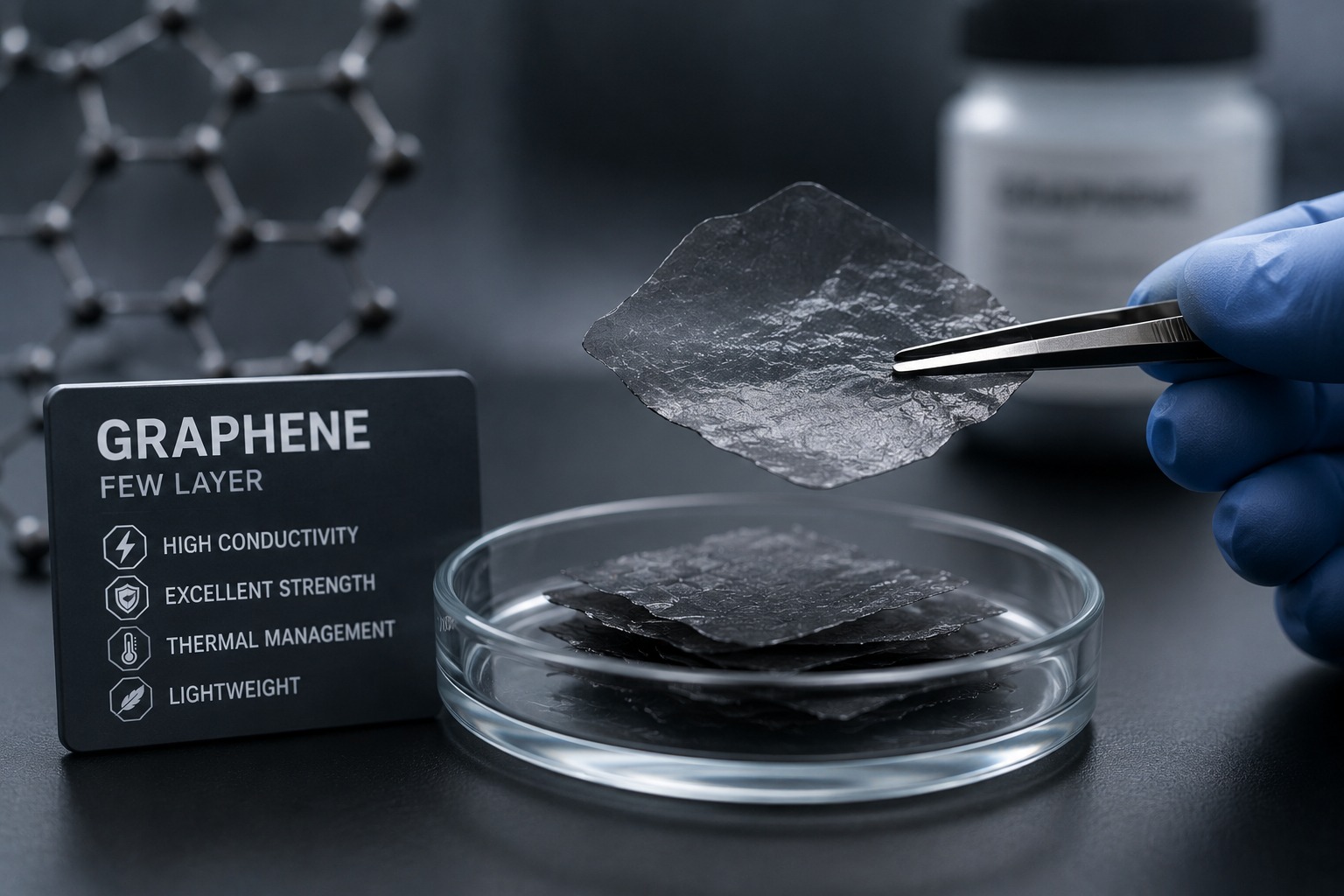
The pursuit of material excellence in the modern industrial landscape often leads procurement officers and research leads to a singular, transformative substance: graphene.
However, navigating the specialized market of advanced carbon allotropes requires more than just a surface-level understanding.
When your enterprise begins searching for high-quality graphene layers for sale, the objective is rarely just to acquire a raw material; it is to secure a competitive edge through atomic-scale engineering.
As the bridge between theoretical physics and industrial-scale application narrows, discerning the nuances of structural integrity and chemical consistency becomes the primary challenge for B2B stakeholders.
Things to Check Before Buying Graphene Layers
Acquiring nanomaterials for industrial integration is a high-stakes endeavor where the margin for error is measured in nanometers. Before you finalize a purchase agreement, several critical parameters must be scrutinized to ensure that the investment yields the intended performance enhancements.
Material Quality and Purity
In the realm of high-end manufacturing, purity is not a luxury, it is a prerequisite. You must investigate the presence of residual surfactants or metallic impurities that might have survived the exfoliation process.
Low-purity materials can introduce unpredictable electrical resistance or structural weaknesses, rendering the graphene layers for sale ineffective for sensitive electronic or chemical applications.
Always demand rigorous characterization data, such as Raman spectroscopy or XRD patterns, to verify the crystalline quality of the carbon lattice.
Size, Thickness, and Product Form
The "one size fits all" philosophy has no place in nanotechnology. Depending on your manufacturing workflow, you might require graphene in powder form, aqueous dispersions, or integrated onto specific substrates.
The lateral flake size and the number of atomic layers directly dictate the material's surface area and mechanical reinforcement capabilities. Whether you are looking for monolayer sheets or few-layer graphene, the morphological consistency of the batch will determine the scalability of your production line.
Compatibility with Your Application
How will the graphene interact with your existing matrix? This is the fundamental question for any business-to-business partnership.
Dispersion remains the greatest hurdle in nanomaterial science, thus, you must ensure that the graphene layers for sale can be seamlessly integrated into your specific polymer, solvent, or composite system. Functionalization options should be discussed early to prevent phase separation or clumping during the mixing process.
Check the Supplier’s Product Information
Transparency is the hallmark of a reliable industrial partner. We encourage you to look beyond marketing glossaries and dive deep into the technical data sheets (TDS) and safety data sheets (SDS).
A reputable supplier provides comprehensive batch-to-batch consistency reports, ensuring that the material you test in the R&D phase is identical to the tonnage you receive during full-scale implementation.
What Are Graphene Layers Used For?
The versatility of these carbon structures has revolutionized multiple sectors, transforming "impossible" engineering goals into standard operating procedures.
Graphene Layers for Coatings
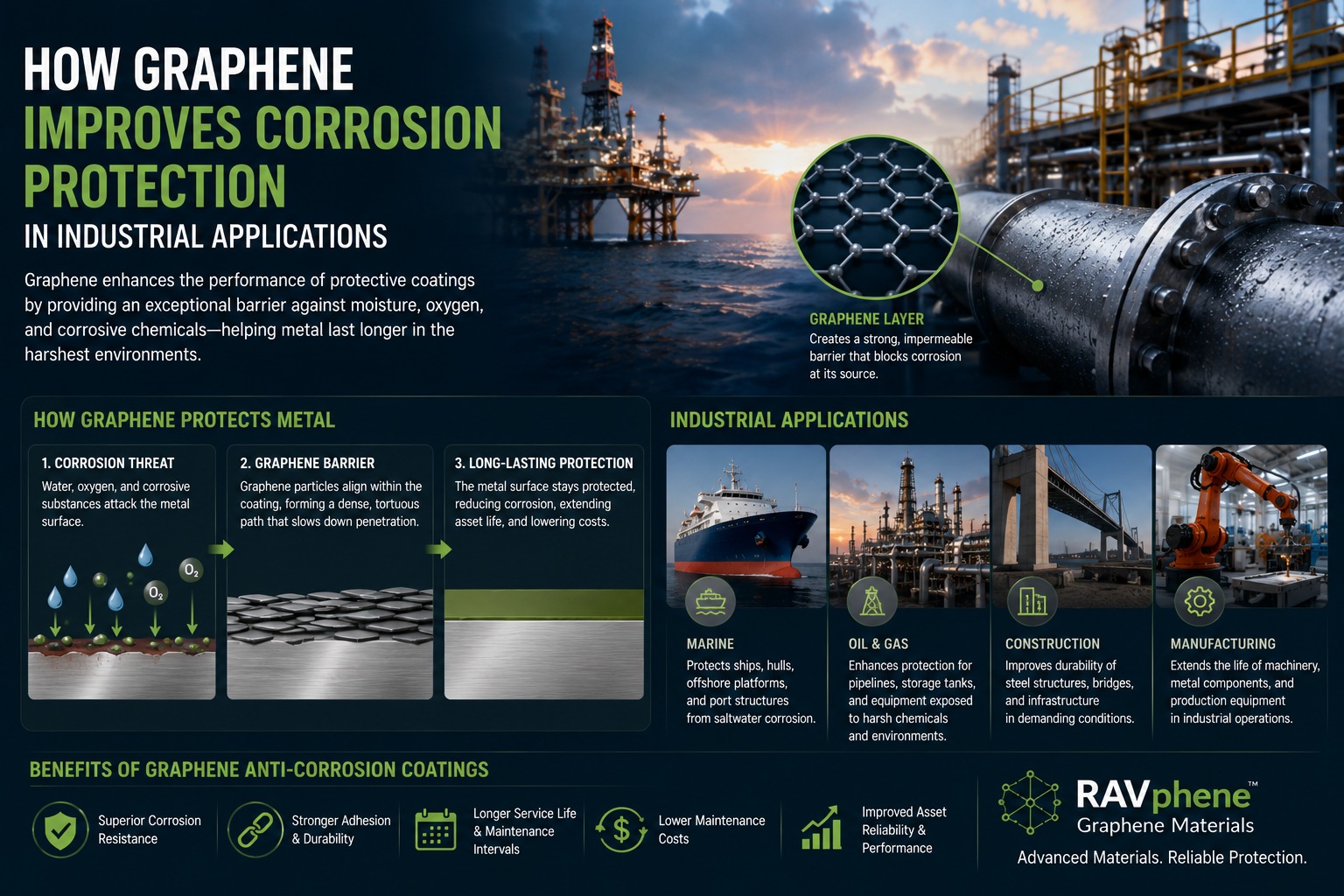
In the field of surface science, graphene-augmented coatings offer unparalleled protection. By creating a tortuous path for corrosive molecules, these layers act as an impermeable barrier against oxidation and chemical wear.
For industrial assets exposed to harsh environments, integrating graphene layers for sale into protective paints can extend the lifecycle of infrastructure by decades.
Graphene Layers for Conductive Materials
The electronic mobility of graphene is legendary. When utilized in conductive inks, thermal interface materials, or electromagnetic interference (EMI) shielding, these layers provide a lightweight yet highly efficient alternative to traditional copper or silver fillers. You can achieve superior conductivity with much lower filler loading, preserving the mechanical properties of the base material.
Graphene Layers for Industrial Applications
From strengthening concrete to enhancing the energy density of next-generation batteries, the industrial applications are boundless. The addition of graphene can significantly improve the tensile strength and thermal stability of composite materials used in aerospace and automotive manufacturing, driving the shift toward lighter, more fuel-efficient transport.
The transition from lab-scale experimentation to industrial-scale reality requires a partner who understands the intricacies of carbon morphology. As you evaluate the various options for graphene layers for sale, it becomes clear that consistency and technical support are just as vital as the material itself.
At Ravelware, we specialize in bridging this gap through our flagship brand, Ravphene. As a leading producer, we provide high-performance Few Layers Graphene tailored for sophisticated industrial ecosystems.
We don't just supply carbon; we provide the molecular foundation for your next breakthrough. By choosing Ravphene, you are partnering with a team dedicated to precision, ensuring that your transition into the nano-enhanced future is both seamless and commercially viable. Let us help you redefine what is possible in your industry.
Recent Post

Extending Industrial Asset Lifespan Through Advanced Material Innovation
Aug 3, 2026

Building More Durable Infrastructure with Advanced Materials
Jul 28, 2026

Graphene in Smart Manufacturing: Enabling the Next Industrial Revolution
Jul 27, 2026
How Graphene Improves Corrosion Protection in Industrial Applications | RAVphene
Jul 21, 2026