
Jun 2, 2026
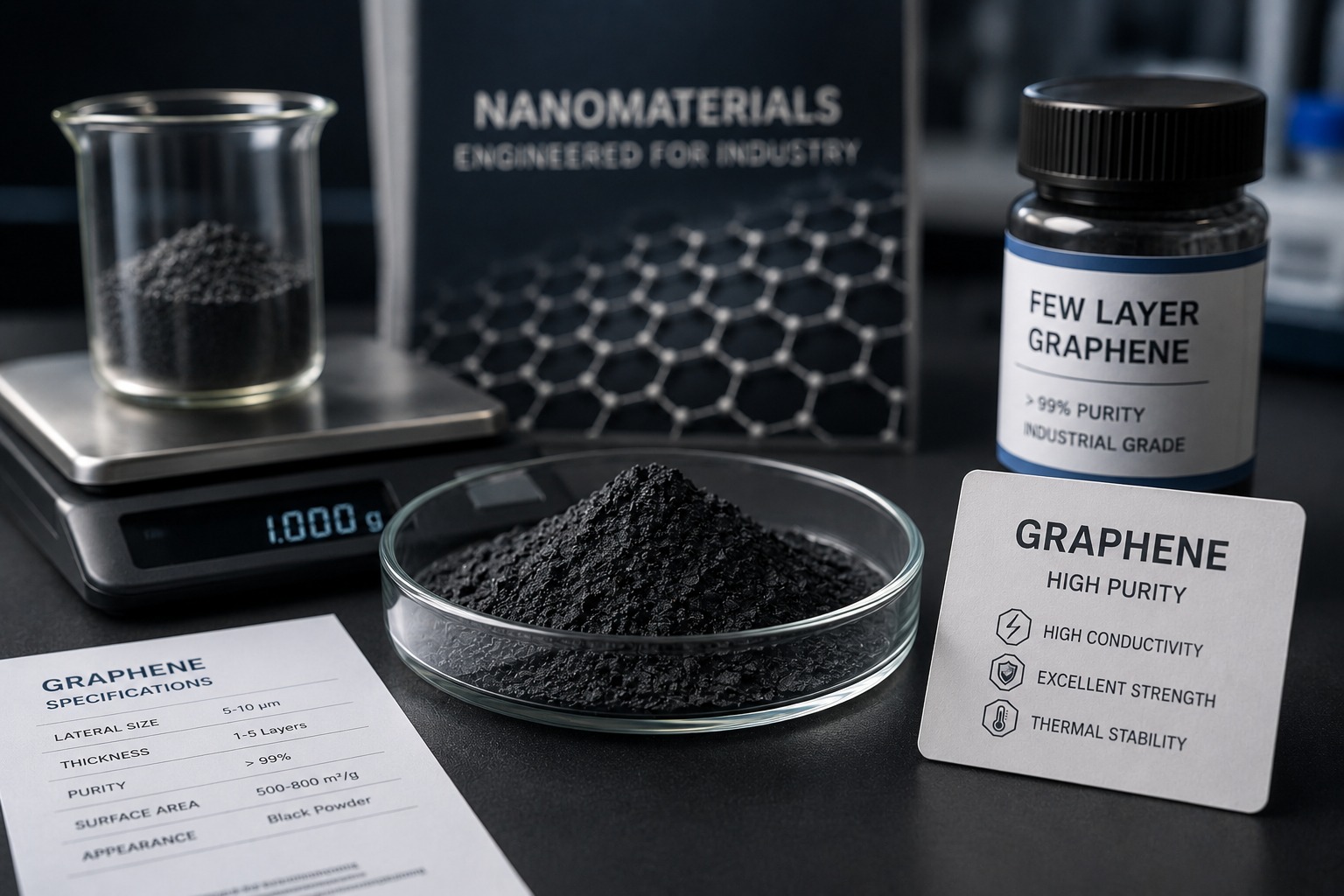
The global industrial landscape is currently witnessing a paradigm shift, driven largely by the integration of advanced nanomaterials into large-scale manufacturing.
For procurement officers and lead engineers, the primary hurdle remains the economic feasibility of integration. Understanding the cost of graphene per kg is not merely about looking at a price tak, it is an intricate dance of chemical engineering, supply chain logistics, and material science.
As we navigate the complexities of 2026, the cost of graphene per kg has become a critical benchmark for firms looking to gain a competitive edge in hardware durability and conductivity.
Main Factors That Affect the Cost of Graphene per Kg
Determining a fixed price for this "wonder material" is notoriously difficult because graphene is not a monolithic product. Several variables dictate the final invoice in a professional trade environment.
Type of Graphene Material
The specific morphology of the material is the heaviest weight on the scale. Are you looking for Graphene Oxide (GO), Reduced Graphene Oxide (rGO), or high-end Few-Layer Graphene (FLG)?
Each variant requires a different synthesis path ranging from chemical vapor deposition to liquid-phase exfoliation. Naturally, the more intensive the atomic-level manipulation, the higher the cost of graphene per kg becomes. We categorize these based on their structural integrity, where structural perfection commands a premium.
Purity and Quality Level
In an enterprise-to-enterprise (E2E) context, "good enough" rarely suffices. The presence of residual surfactants, oxygen content, or metallic impurities can sabotage the mechanical properties of your final composite.
High-purity graphene requires rigorous post-processing and washing cycles. This meticulous refinement process is a significant driver of the cost of graphene per kg, as achieving 99.9% carbon purity involves sophisticated filtration technologies that consume both time and energy.
Order Volume and Production Scale
Economies of scale are the primary engine for price reduction in the nanomaterial sector. While a laboratory-grade sample might carry an astronomical price point, bulk industrial procurement shifts the dynamics toward more manageable figures.
When you partner with a manufacturer capable of high-throughput production, the overhead costs are distributed, effectively lowering the barrier to entry for large-scale industrial adoption.
Why Graphene Prices Can Be Different for Each Use
The utility of graphene is vast, yet its application-specific requirements mean that price volatility is often tied to the intended end-use.
Graphene for Coatings and Paints
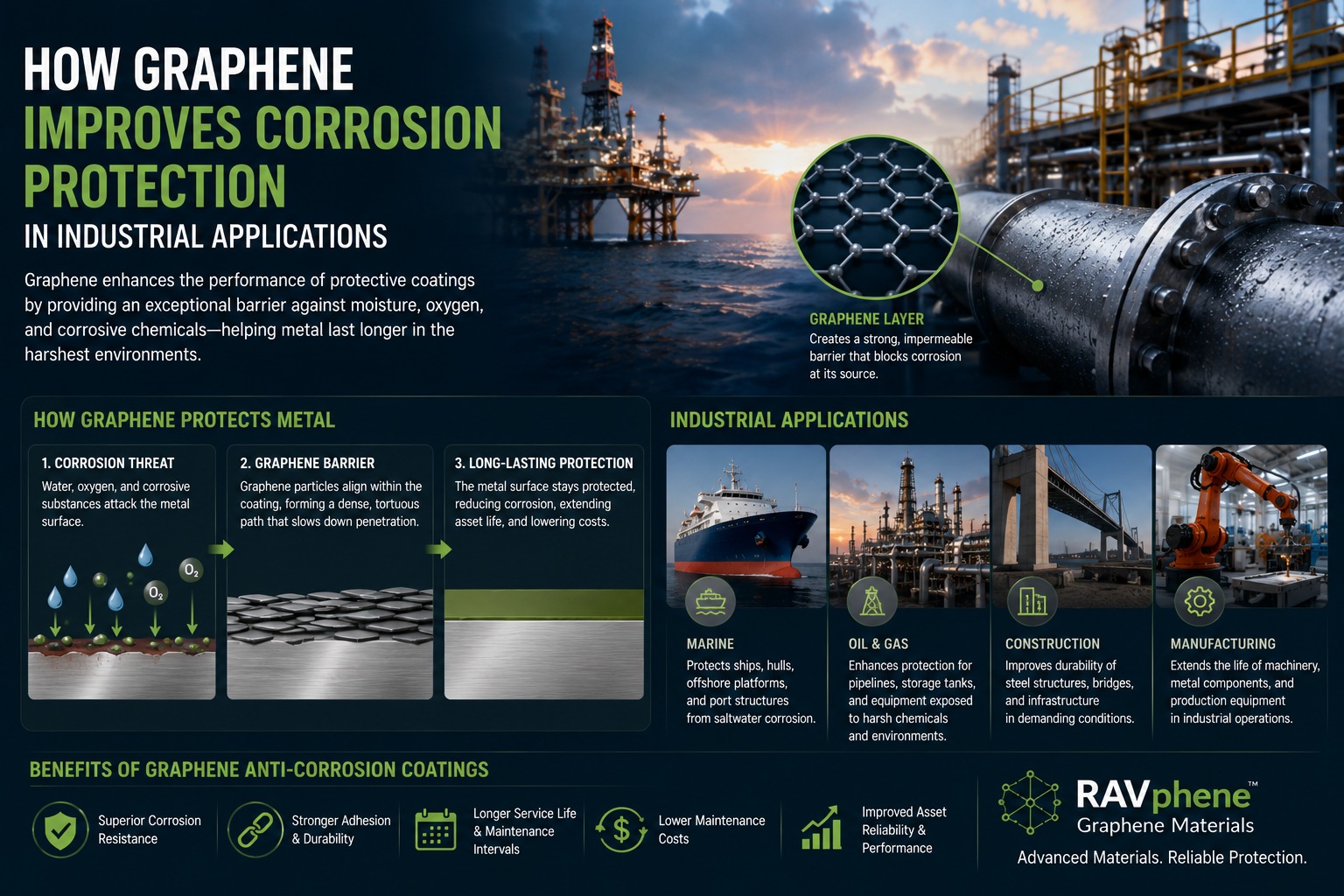
In the realm of anti-corrosion and thermal management coatings, graphene acts as a formidable barrier. However, the dispersion quality required for a smooth, industrial-grade finish involves functionalization.
This chemical tailoring ensures the graphene doesn't clump, which is essential for maintaining the aesthetic and protective integrity of the coating, thus influencing the specialized pricing for this sector.
Graphene for Conductive Materials
For those developing next-generation circuitry or energy storage solutions, electrical conductivity is the North Star. This requires graphene with high electron mobility and minimal defects. The precision required to maintain these electronic pathways means that the material used here is often more sophisticated than that used for simple structural reinforcement.
Graphene for Industrial Products
From high-performance polymers to reinforced concrete, industrial-grade graphene focuses on tensile strength and shear resistance. Here, the volume is often the highest, and the focus shifts toward consistent batch-to-batch reliability.
To find the most accurate pricing tailored to your specific industrial requirements, you can view our full range of solutions. Click here to check our graphene product page for detailed specifications and current market rates.
Navigating the nuances of the nanomaterial market requires a partner that understands the delicate balance between performance and expenditure. When evaluating the cost of graphene per kg, it is vital to look beyond the immediate expense and consider the long-term value added to your product’s lifecycle.
At Ravphene, a specialized division of Ravelware, we have mastered the synthesis of Few Layers Graphene to meet the rigorous demands of modern industry.
By optimizing our proprietary production methods, we ensure that our partners receive a material that isn't just scientifically superior, but also commercially viable for large-scale integration. We invite you to collaborate with us to transform your industrial capabilities through the power of precision-engineered graphene.
Recent Post

Extending Industrial Asset Lifespan Through Advanced Material Innovation
Aug 3, 2026

Building More Durable Infrastructure with Advanced Materials
Jul 28, 2026

Graphene in Smart Manufacturing: Enabling the Next Industrial Revolution
Jul 27, 2026
How Graphene Improves Corrosion Protection in Industrial Applications | RAVphene
Jul 21, 2026