
Jun 3, 2026
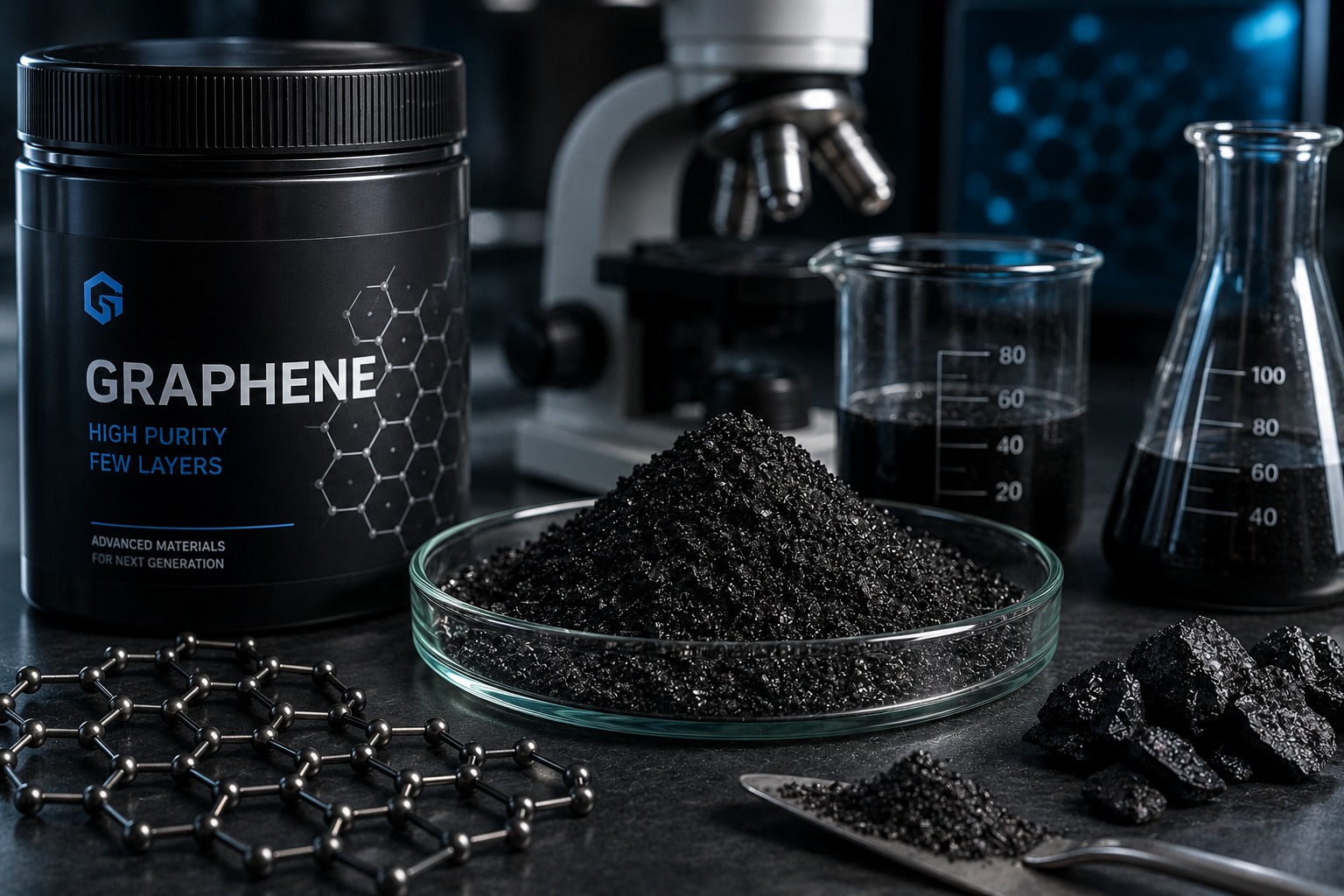
In the contemporary landscape of advanced material procurement, the financial metrics governing nanomaterial acquisition often elude simplistic calculations.
For industrial stakeholders, the primary challenge lies in deciphering the graphene cost per gram, a figure that fluctuates wildly based on synthesis methods, structural integrity, and functionalization. Navigating this pricing labyrinth requires more than a cursory glance at a quote; it necessitates a granular understanding of how specific morphological characteristics translate into macroscopic performance. When you evaluate the graphene cost per gram, you are not merely purchasing a substance but investing in a transformative capability that dictates the competitive edge of your enterprise’s final output.
Start by Comparing the Type of Graphene
The nomenclature of "graphene" is frequently used as a broad umbrella term, yet the architectural nuances of the material significantly influence the market valuation. Comparing prices across different physical formats without accounting for their intended application is a fundamental error in industrial procurement.
Graphene Powder
Powdered forms represent the most raw, versatile state of the material. However, the price parity is often disrupted by the number of atomic layers. True monolayer graphene powder commands a premium, whereas nanoplatelets offer a more cost-effective route for bulk reinforcement. In this segment, the graphene cost per gram is heavily dictated by the surface area and the lateral flake size, factors that determine how effectively the powder will disperse within your matrix.
Graphene Resin
For manufacturers in the aerospace or automotive sectors, pre-dispersed resins are often preferred. Here, the cost incorporates the stabilization process. You are paying for the expertise required to prevent agglomeration, a common plague in nanomaterial integration. We ensure that our resin formulations maintain long-term stability, justifyng a different price bracket compared to dry powders.
Graphene Paste
Graphene in paste form is the lifeline of the printed electronics industry. The complexity of the rheology, balancing viscosity with electrical percolation, means that the graphene cost per gram in pastes reflects the added value of chemical engineering. It is an "integration-ready" solution that bypasses the need for high-shear mixing at your facility.
Graphene Epoxy
Structural integrity in composites is often achieved through graphene-enhanced epoxies. When you analyze the cost here, you must account for the cross-linking compatibility. A cheaper graphene epoxy might save on the initial procurement budget but could lead to catastrophic interfacial failure, making the total cost of ownership significantly higher.
Graphene Conductive Ink
In the realm of flexible electronics and RFID technology, conductive inks are specialized formulations. The price is a reflection of the rapid-drying capabilities and the sheet resistance achieved after curing. High-performance inks demand a premium because they directly impact the throughput of high-speed industrial printing lines.
Check What Is Included in the Price
A competitive quote is often a facade if the underlying quality parameters are not standardized. To truly master the graphene cost per gram, industrial buyers must look beyond the invoice total.
Purity Level
The presence of residual oxygen, surfactants, or metallic catalysts can sabotage the very properties you seek to harness. High purity levels (99%+) naturally incur higher production costs due to the rigorous washing and exfoliation cycles required. We prioritize transparency in our characterization reports, ensuring that what you pay for is pure performance.
Product Size and Packaging
Logistics in the nanomaterial sector are fraught with sensitivity. Whether you are ordering milligrams for R&D or kilograms for full-scale production, the packaging must prevent moisture ingress and oxidation. Bulk packaging usually offers a more favorable price per unit, but the storage requirements must be factored into your operational overhead.
Minimum Order Quantity
In the enterprise-to-enterprise ecosystem, volume is the strongest lever for price negotiation. High Minimum Order Quantities (MOQ) allow for economies of scale in the synthesis process.
However, for specialized ventures, we offer flexible thresholds to ensure that innovation is not stifled by prohibitive entry costs. The pursuit of the optimal graphene cost per gram ends when performance meets scalability. At Ravphene Ravelware, we have mastered the delicate balance of producing Few Layers Graphene that meets the stringent demands of modern industry.
As a leading manufacturer, we don’t just provide a material; we provide the catalyst for your next breakthrough. By choosing our solutions, you are partnering with a producer dedicated to consistency, purity, and technical excellence. Let us help you transition from experimental prototypes to market-ready innovations with the highest quality graphene available today.
Recent Post

Extending Industrial Asset Lifespan Through Advanced Material Innovation
Aug 3, 2026

Building More Durable Infrastructure with Advanced Materials
Jul 28, 2026

Graphene in Smart Manufacturing: Enabling the Next Industrial Revolution
Jul 27, 2026
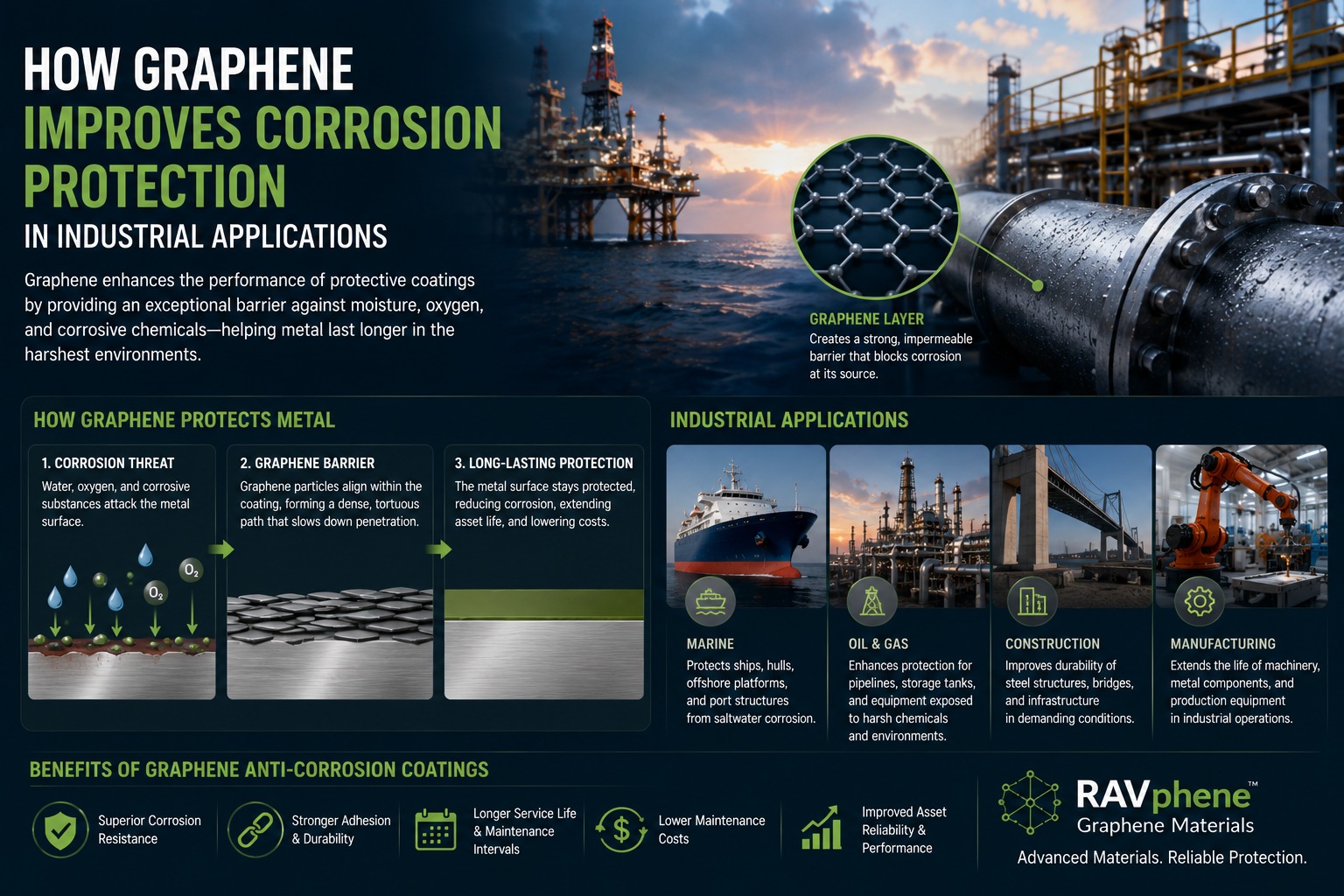
How Graphene Improves Corrosion Protection in Industrial Applications | RAVphene
Jul 21, 2026