Jun 3, 2026
The architectural integrity of modern industrial synthesis is currently undergoing a seismic shift, primarily driven by the integration of advanced carbon allotropes. When we examine the breadth of graphene powder uses in contemporary research and development, it becomes evident that this material is no longer a theoretical curiosity but a foundational pillar for next-generation engineering.
For enterprises seeking to leapfrog traditional material limitations, the strategic application of these powders offers a pathway to unprecedented mechanical and thermal benchmarks. By incorporating high-surface-area flakes into existing matrices, we allow for a synergy that redefines what composite systems can achieve in a commercial landscape.
Why Graphene Powder Is Used in Formulation
The transition from raw substance to a functionalized market-ready product requires a medium that balances potency with practicality. Powder formats serve as the bridge between molecular potential and industrial reality.
Easy to Mix with Other Materials
One of the primary reasons we prioritize powder over other delivery mechanisms is the sheer versatility of dispersion. Whether you are dealing with high-viscosity polymers or aqueous solutions, the morphological properties of the powder allow for a more uniform distribution of graphene’s lattice structure. This homogeneity is critical, without it, the structural benefits of the material would be localized and inconsistent, leading to catastrophic failure points in your final product.
Useful for Testing New Product Ideas
Innovation in the enterprise-to-enterprise sector relies heavily on rapid prototyping. We find that graphene powder uses are particularly prevalent in pilot-scale trials because of the ease with which one can modify loading percentages. You can incrementally adjust the concentration to find the "sweet spot" where electrical conductivity or tensile strength reaches its peak without compromising the base material’s inherent properties. This agility is vital for R&D departments aiming to de-risk new ventures before moving to full-scale manufacturing.
Can Be Adjusted Based on Product Needs
No two industrial requirements are identical. The modular nature of graphene powder allows us to tailor the formulation to specific environmental stressors. If your application demands extreme thermal dissipation but requires the material to remain lightweight, the powder can be functionalized or blended with specific surfactants to meet those exact parameters. This level of granular control ensures that graphene powder uses remain highly relevant across a spectrum of specialized industrial niches.
Graphene Powder Uses in Different Material Systems
The true genius of graphene lies in its cross-industry utility, specifically through its diverse uses in different material systems where it acts as a performance multiplier across various sophisticated ecosystems.
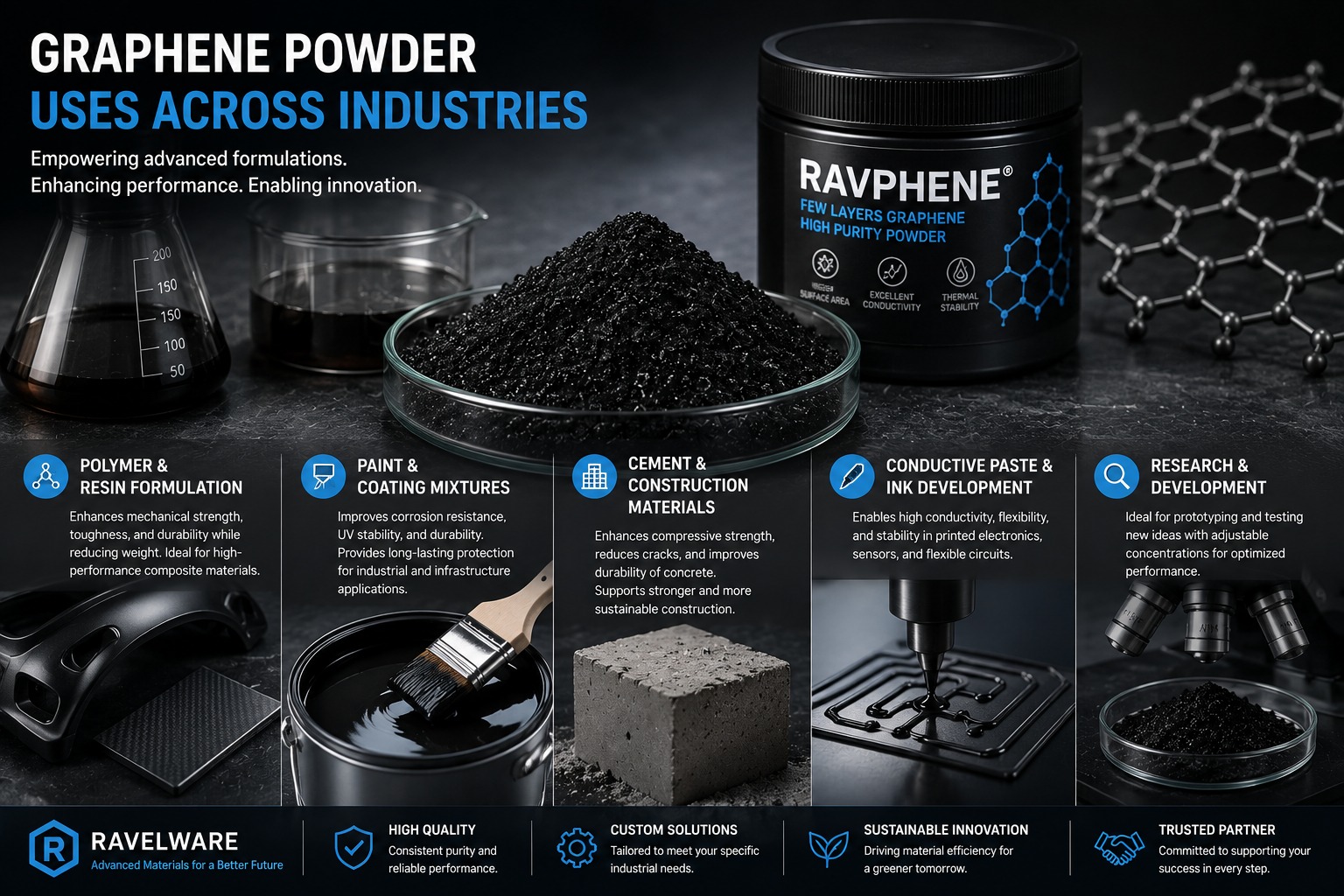
Polymer and Resin Formulation
In the realm of advanced thermoplastics and thermosetting resins, the addition of graphene transforms standard plastics into high-performance composites.
We see significant enhancements in fracture toughness and gas barrier properties, making these materials ideal for aerospace or automotive components where weight reduction is as crucial as durability.
Paint and Coating Mixtures
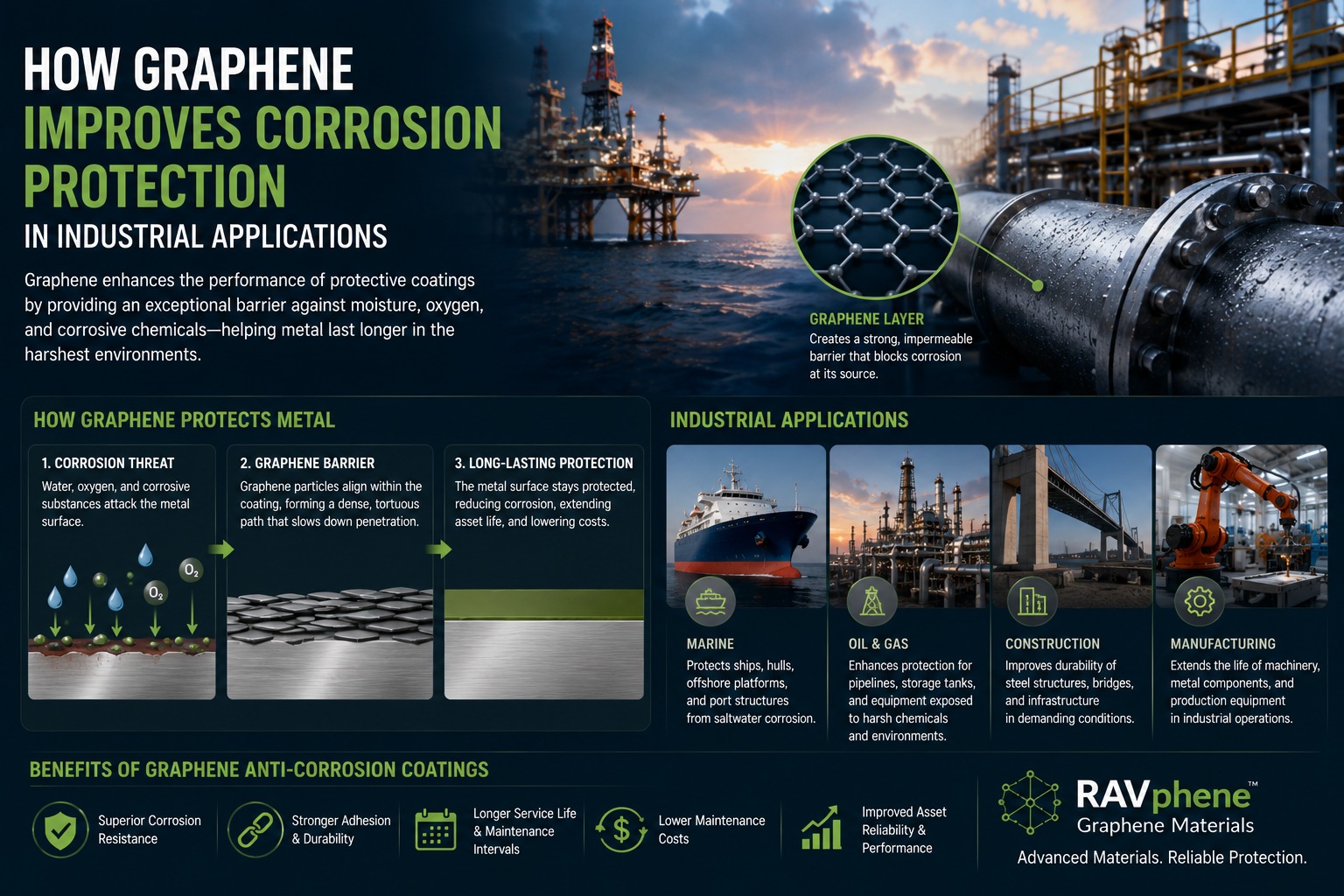
Corrosion is a multi-billion dollar problem for infrastructure. By integrating graphene into coatings, we create a "tortuous path" for oxygen and moisture molecules, effectively sealing the substrate behind an impermeable atomic shield.
Furthermore, the anti-fouling and UV-resistant properties of these coatings extend the life cycle of industrial assets significantly.
Cement and Construction Materials
The construction industry is increasingly looking toward graphene powder uses to reduce the carbon footprint of concrete. By enhancing the compressive strength of cementitious mixtures, we enable the use of less material to achieve the same structural integrity, fundamentally altering the economics of large-scale infrastructure projects.
Conductive Paste and Ink Development
For the printed electronics sector, graphene serves as a cost-effective and robust alternative to silver or copper. Our development of conductive inks using graphene allows for flexible circuitry and sensors that maintain performance even under repeated mechanical deformation, a requirement that traditional metallic pastes often struggle to meet.
In conclusion, the evolution of material science is inextricably linked to how we harness these nanostructures. At Ravelware, we specialize in the production of Ravphene, a premium Few Layers Graphene solution designed for rigorous industrial standards. As a leading producer, we provide the consistency and quality required for your most ambitious formulations. By choosing our high-purity additives, you ensure that your product development is backed by the pinnacle of carbon technology. Explore how Ravphene can redefine your material limits today.
Recent Post

Extending Industrial Asset Lifespan Through Advanced Material Innovation
Aug 3, 2026

Building More Durable Infrastructure with Advanced Materials
Jul 28, 2026

Graphene in Smart Manufacturing: Enabling the Next Industrial Revolution
Jul 27, 2026
How Graphene Improves Corrosion Protection in Industrial Applications | RAVphene
Jul 21, 2026