Mar 30, 2026
Graphene is often called a "wonder material" because it is incredibly thin, strong, and conductive. However, moving this material from a laboratory setting into large-scale industrial use requires a precise and efficient graphene manufacturing process.
As industries look for ways to enhance their products, whether in electronics, energy storage, or construction, understanding how this material is made becomes essential.
By mastering the production cycle, we can ensure that high-quality graphene is available for professional applications that demand durability and high performance.
Materials Used to Produce Graphene
Creating high-grade graphene starts with selecting the right ingredients. The quality of the final output depends heavily on the purity of the raw materials and the surfaces used during the synthesis.
Graphite as the Primary Raw Material
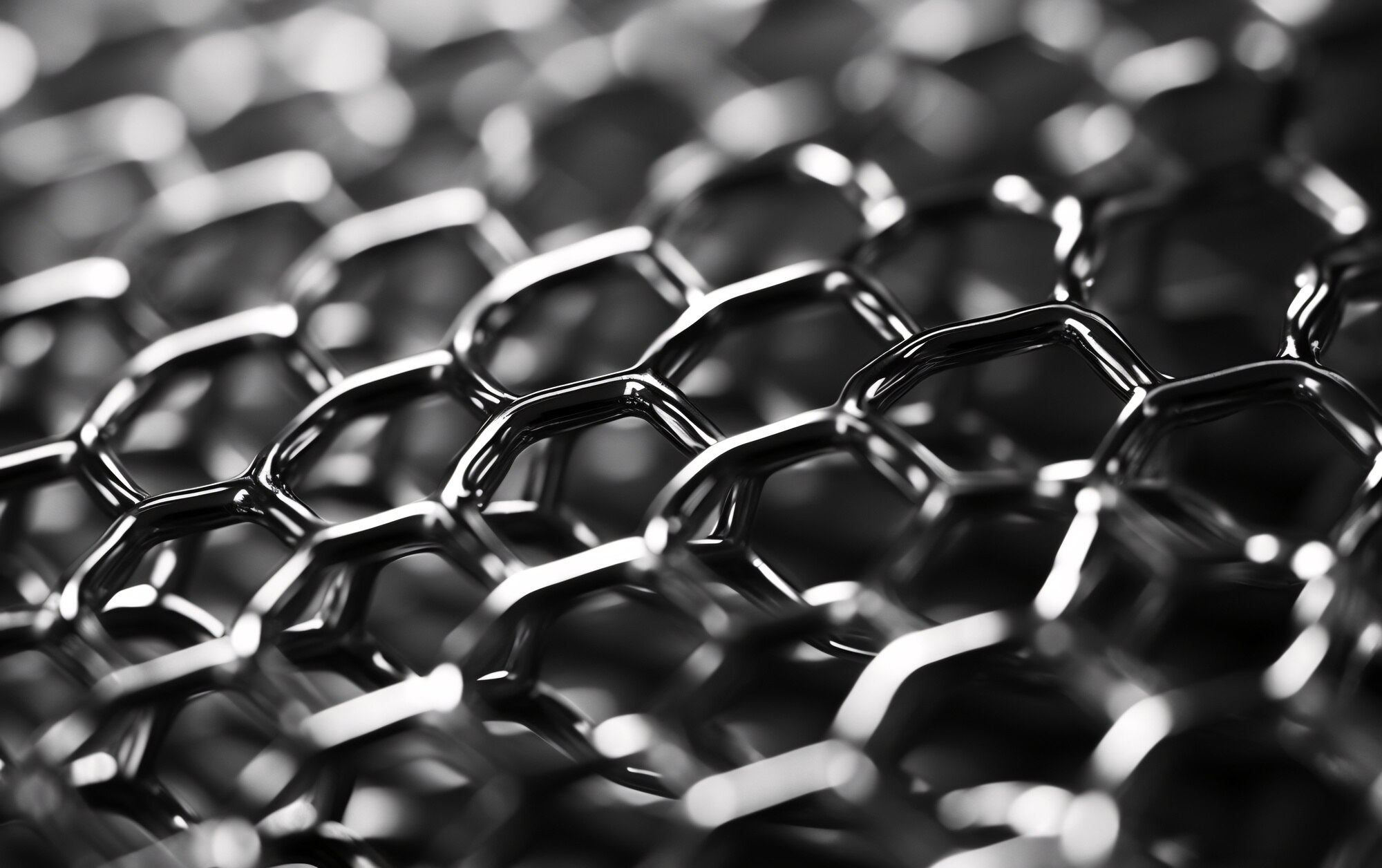
Graphite is the most common starting point. Since graphene is essentially a single layer of carbon atoms arranged in a honeycomb lattice, we can look at graphite as a thick stack of these layers.
By using various methods to "peel" these layers apart, we can extract the graphene needed for industrial needs.
Chemical Compounds for Graphene Synthesis
Beyond solid carbon, gases and liquid chemicals play a huge role. In many modern setups, carbon-rich gases like methane or ethylene are used.
These gases are broken down at high temperatures so the carbon atoms can settle and form a new layer of graphene on a specific surface.
Substrate Materials in Graphene Manufacturing
Graphene needs a "bed" to grow on. These beds, or substrates, are usually metal foils like copper or nickel. The substrate acts as a foundation that dictates how the carbon atoms align.
Choosing the right substrate is a critical step in the graphene manufacturing process to ensure the layer is uniform and free of defects.
Catalysts Used in Graphene Production
To speed up the chemical reactions and lower the energy required, catalysts are employed.
Metals like platinum or copper do not just hold the graphene; they actively help the carbon atoms bond together. This makes the production more cost-effective for large-scale supply chains.
Common Methods for Graphene Production
There is no single way to make graphene. Different methods offer different levels of quality, size, and cost, depending on what your specific project requires.
Chemical Vapor Deposition (CVD) Method
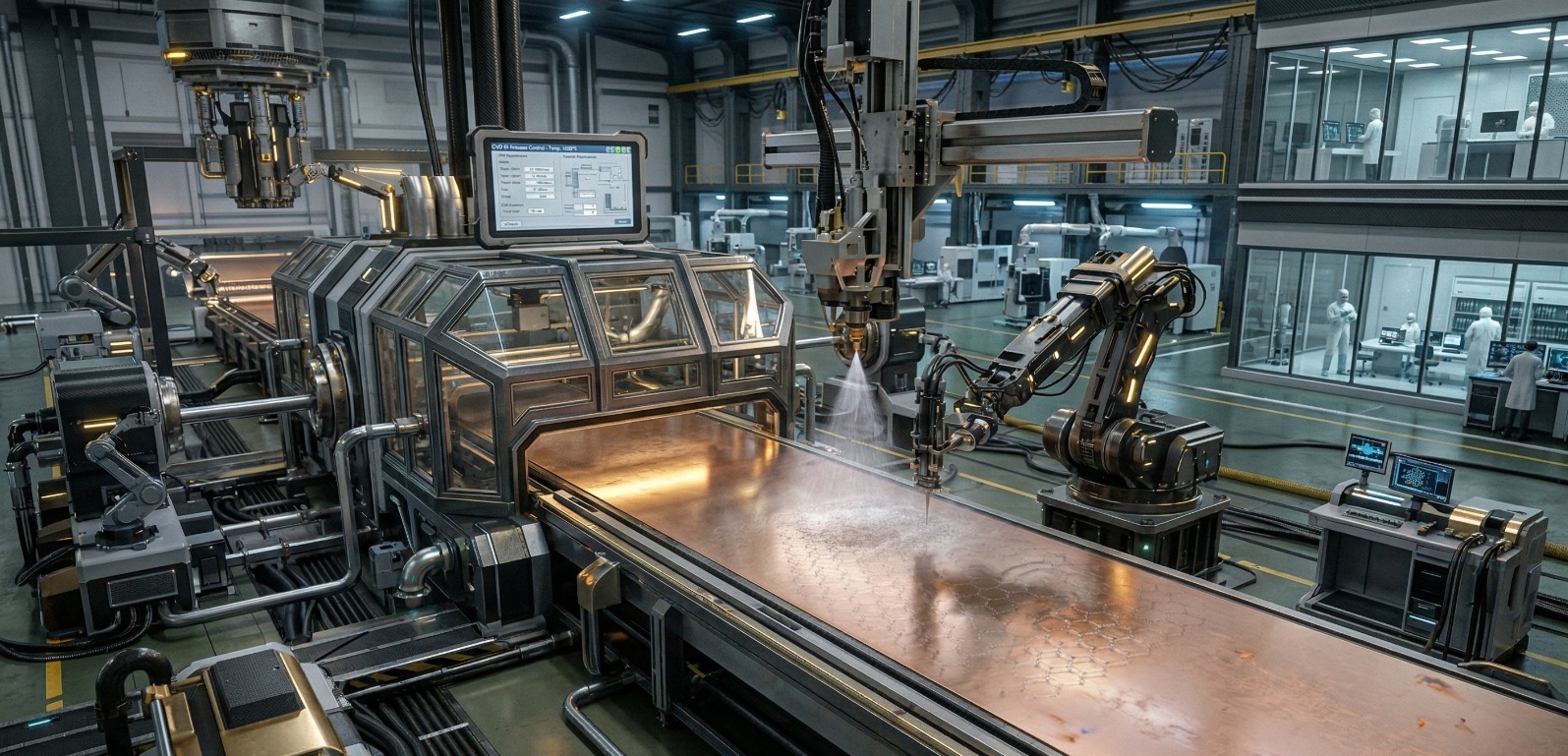
CVD is currently the gold standard for high-tech applications. In this graphene manufacturing process, we place a metal substrate in a vacuum chamber and heat it.
Carbon gases are introduced, and they react on the metal surface to form a thin, high-quality film. This method is preferred by companies that need large sheets of graphene for sensors or high-end electronics.
Mechanical Exfoliation Technique
This was the first method ever used to isolate graphene. It involves using adhesive materials or physical force to layers of graphite apart.
While it produces the highest physical quality, it is difficult to scale for massive industrial orders. However, it remains a vital technique for research and specialized small-scale components.
Liquid Phase Exfoliation Process
For organizations that need graphene in bulk, such as for inks, coatings, or composite materials, liquid phase exfoliation is a great choice.
Graphite is placed in a special solvent and hit with sound waves (ultrasonication).
This creates a graphene manufacturing process that produces flakes which can be easily mixed into other industrial liquids or polymers.
The journey from raw carbon to a functional industrial component is complex, but it is the key to the next generation of technology. Choosing the right graphene manufacturing process allows you to balance cost and performance for your specific business goals.
If you are looking to integrate this technology into your own production line, we recommend partnering with Ravphene Ravelware.
As a leading graphene supplier, we focus on providing consistent, high-purity materials tailored for industrial-scale integration. Our expertise ensures that your transition to advanced materials is seamless and efficient.
Recent Post

Extending Industrial Asset Lifespan Through Advanced Material Innovation
Aug 3, 2026

Building More Durable Infrastructure with Advanced Materials
Jul 28, 2026

Graphene in Smart Manufacturing: Enabling the Next Industrial Revolution
Jul 27, 2026
How Graphene Improves Corrosion Protection in Industrial Applications | RAVphene
Jul 21, 2026