Jul 7, 2026
The Cost of Corrosion in Marine and Offshore Industries
Corrosion remains one of the most expensive and persistent challenges in marine and offshore environments. From cargo vessels and offshore platforms to port infrastructure and coastal facilities, assets are constantly exposed to harsh conditions including saltwater, humidity, temperature fluctuations, and chemical contaminants.
According to industry studies, corrosion-related maintenance and asset degradation cost the global marine and offshore sector billions of dollars annually. Beyond repair expenses, corrosion can lead to operational downtime, reduced asset lifespan, safety risks, and significant productivity losses.
As industries seek longer-lasting and more sustainable protection methods, advanced materials such as graphene are emerging as a promising solution for next-generation coating systems.
Why Traditional Anti-Corrosion Coatings Have Limitations
Conventional protective coatings are designed to create a barrier between the metal substrate and the surrounding environment. While effective to a certain extent, these coatings often face challenges over time:
Micro-cracks caused by mechanical stress, Water and oxygen penetration through microscopic pores, UV degradation from prolonged sunlight exposure, Reduced performance in highly corrosive marine environments, Frequent maintenance and recoating requirements
Even high-performance coating systems can experience gradual deterioration when continuously exposed to seawater and offshore conditions. This is where graphene-enhanced coatings offer a significant advantage.
What Makes Graphene an Ideal Coating Additive?
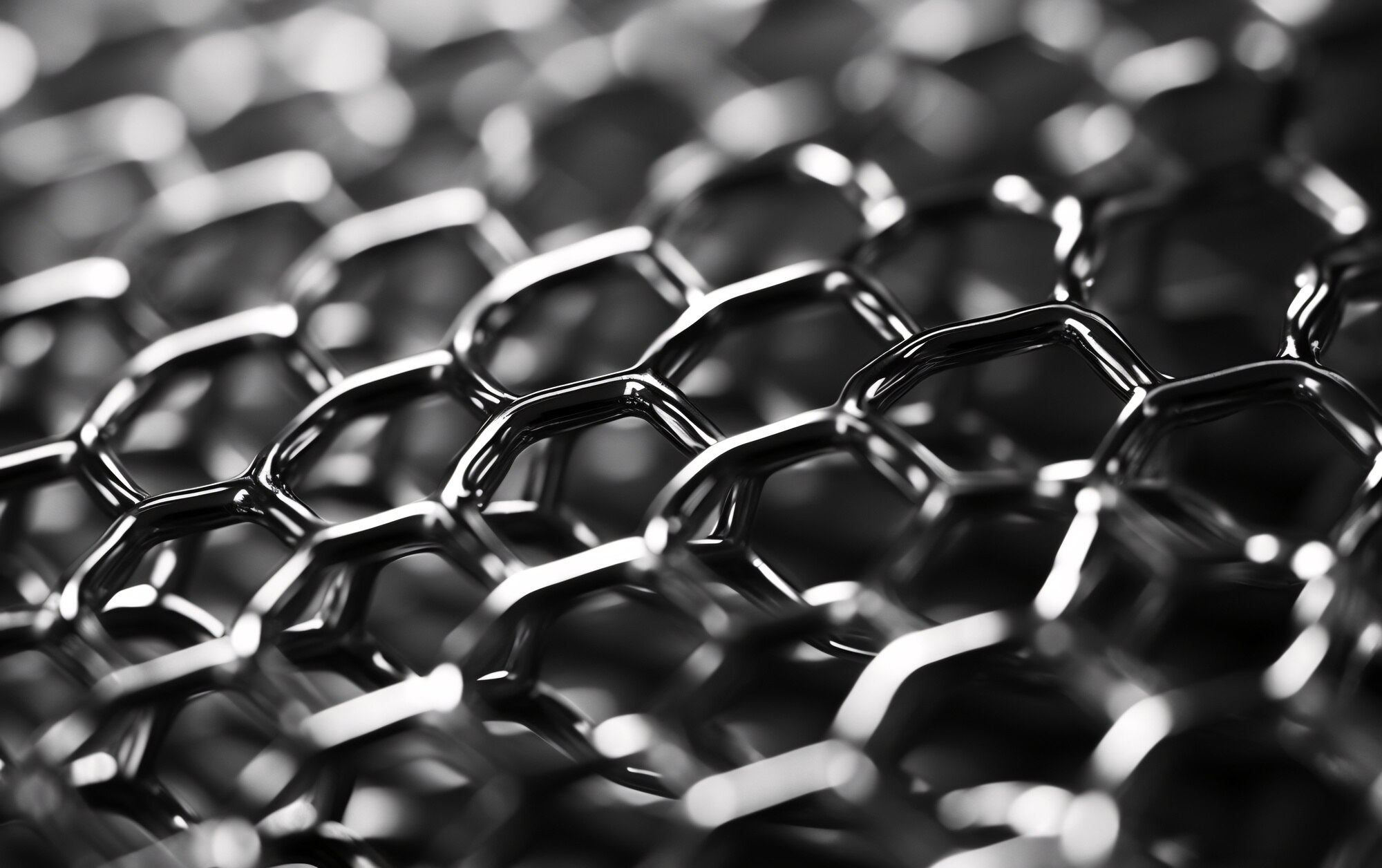
Graphene is a two-dimensional carbon nanomaterial known for its exceptional strength, chemical stability, and barrier properties.
When incorporated into protective coating formulations, graphene can significantly improve the coating's ability to resist environmental degradation. Key properties of graphene that benefit Anti-Corrosion Coatings include:
Exceptional Barrier Performance
Graphene's ultra-dense atomic structure makes it extremely difficult for water molecules, oxygen, and corrosive ions to penetrate the coating layer. This creates a more effective protective barrier compared to conventional coatings alone.
Superior Mechanical Strength
Graphene helps reinforce coating structures, reducing the formation of micro-cracks and improving resistance to abrasion and mechanical wear.
Enhanced Chemical Resistance
Marine environments expose surfaces to various chemicals and pollutants. Graphene can improve the coating's resistance against chemical attack and environmental degradation.
Improved Durability
By strengthening the coating matrix, graphene can help extend coating service life and reduce maintenance frequency.
How Graphene Anti-Corrosion Coatings Work
A graphene anti corrosion coating functions by creating a more tortuous path for corrosive agents attempting to reach the substrate surface. In conventional coatings, water and oxygen can gradually migrate through microscopic imperfections. With graphene dispersed throughout the coating system: Water penetration is reduced, Oxygen diffusion is minimized, Chloride ion intrusion slows down, Surface degradation occurs more slowly, The result is a coating system capable of providing longer-lasting protection in aggressive environments.
The Future of Graphene in Marine Protection
As industries continue to demand higher-performance materials, graphene is becoming an increasingly attractive component in advanced coating technologies. Research and commercial applications continue to demonstrate graphene's potential to improve coating durability, corrosion resistance, and long-term asset protection. For shipbuilders, offshore operators, coating manufacturers, and industrial asset owners, graphene represents an opportunity to develop more resilient protective systems capable of meeting the challenges of modern marine environments.
Conclusion
Corrosion remains one of the most significant operational challenges in marine and offshore industries. While traditional coating systems provide essential protection, increasing performance requirements are driving the adoption of advanced materials.
Graphene offers unique barrier, mechanical, and chemical resistance properties that can significantly enhance coating performance. By improving durability and reducing corrosion pathways, graphene-enhanced coatings have the potential to extend asset life, lower maintenance costs, and improve operational reliability.
As the demand for next-generation protective solutions grows, graphene is positioned to become a key component in the future of marine and offshore coating technologies.
Recent Post
Extending Industrial Asset Lifespan Through Advanced Material Innovation
Aug 3, 2026
Building More Durable Infrastructure with Advanced Materials
Jul 28, 2026

Graphene in Smart Manufacturing: Enabling the Next Industrial Revolution
Jul 27, 2026
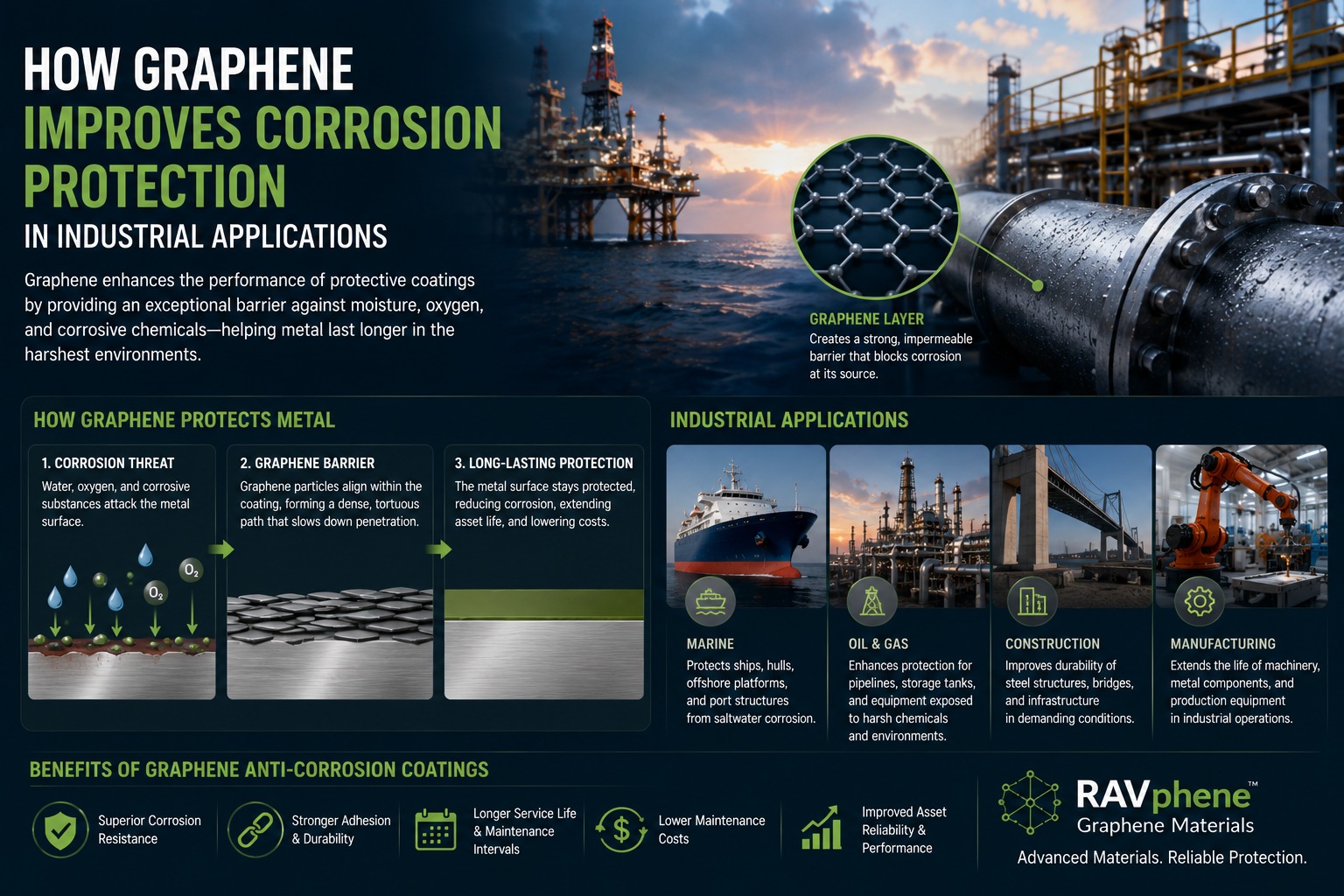
How Graphene Improves Corrosion Protection in Industrial Applications | RAVphene
Jul 21, 2026