Jan 8, 2025
Imagine a world where everyone, from metropolitan cities to remote villages, has access to clean water without technological or cost constraints. Graphene, a revolutionary super-wonder material renowned for its physical and chemical superiority, is now in the spotlight as a solution to humanity’s greatest challenge: the global water crisis. According to a UN report, more than two billion people currently lack access to safe drinking water. This problem is exacerbated by pollution, climate change, and the increasing demand for clean water. But graphene opens the door to technological innovations that can save the world’s water resources in ways never before imagined.
The Magic of Graphene: Changing the Paradigm of Water Management
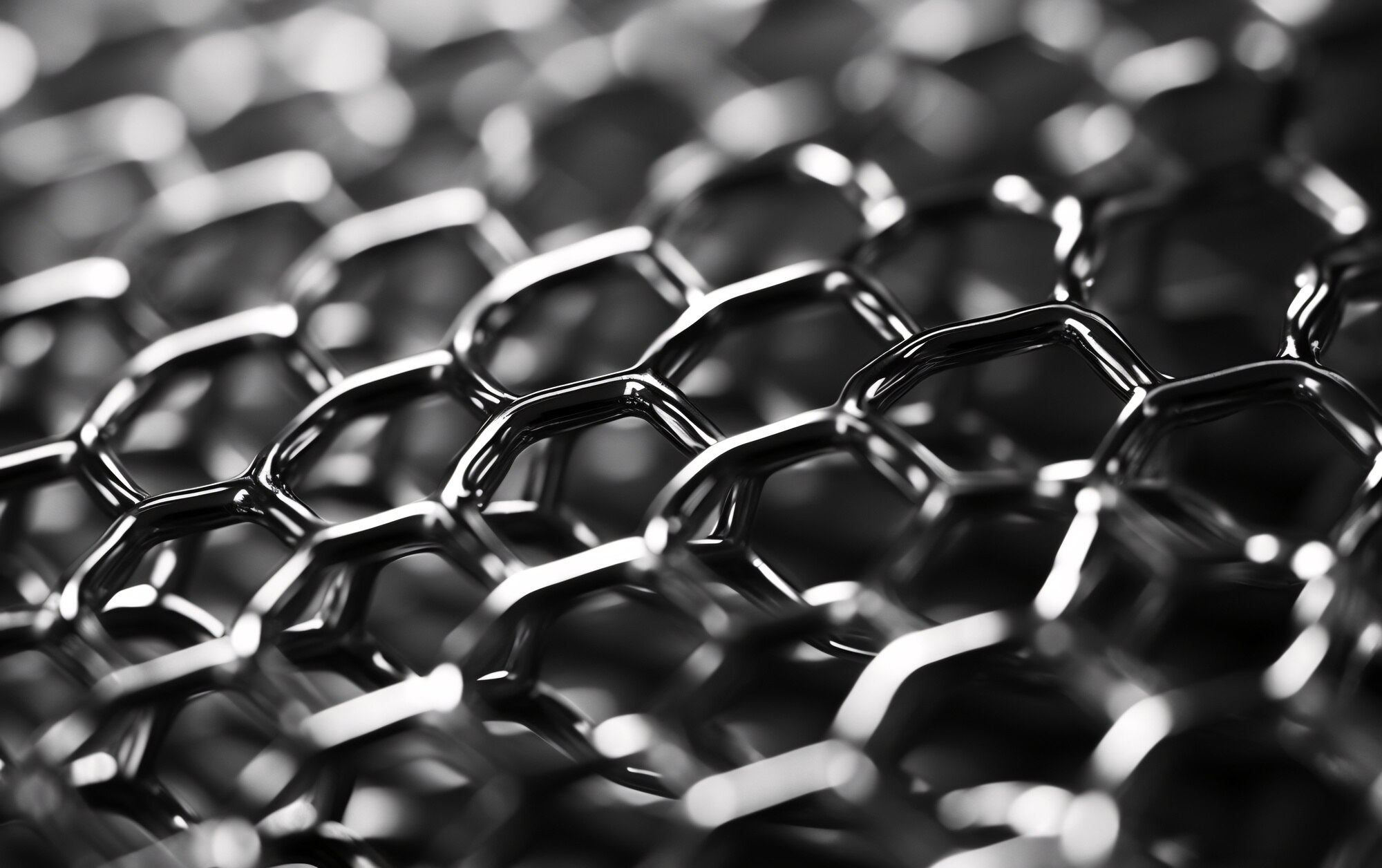
Graphene is a material composed of a single layer of carbon atoms in a hexagonal pattern, making it strong, flexible, and highly conductive. Additionally, graphene’s nano-sized pores make it an ideal choice for water filtration and purification applications.
1. High Efficiency Water Filtration
With the ability to filter particles down to the nanoscale, graphene membranes can remove:
- Heavy metals such as mercury and lead,
- Microplastics that are difficult to overcome with conventional technology,
- Bacteria and viruses that threaten human health. Another advantage? This filtration process maintains the speed of the water flow, making it efficient and energy-saving compared to traditional methods.
2. Seawater Desalination
Seawater accounts for 97% of the world's total water resources. However, conventional desalination processes are expensive and consume a lot of energy. Graphene oxide, with its precise pores, is able to filter salt from seawater with much higher energy efficiency. This technology has the potential to turn seawater into affordable drinking water for all.
3. Industrial Waste Purification
Industrial waste that pollutes rivers and lakes threatens the sustainability of water ecosystems. Graphene can be used to absorb:
- Hazardous chemicals such as oil and dyes,
- Heavy metals that pollute the environment. This makes the wastewater safe to be recycled or released back into the environment.
4. Portable Solutions for Underdeveloped Areas
Graphene enables the creation of portable water purification devices that are lightweight, practical and affordable. These devices are designed for communities that do not have access to clean water infrastructure, making them a perfect solution for disaster-affected or remote areas.
Ravelware Technology: Graphene Innovation Pioneer in Indonesia
As a leading technology company, Ravelware Technology presents graphene-based solutions to help Indonesia and the world overcome the water crisis. We produce graphene from renewable materials such as plastic waste and palm oil pulp, making this technology not only innovative but also environmentally friendly. By combining IoT technology for real-time monitoring, our solutions offer:
- Operational cost efficiency,
- Long-term material durability,
- A real contribution to environmental sustainability. Another advantage? This filtration process maintains the speed of the water flow, making it efficient and energy-saving compared to traditional methods.
The Future Starts with Graphene
Graphene is more than just a material. It is a symbol of hope and an answer to global challenges. Through the development of graphene-based technologies, we can open access to clean water, improve the quality of life, and create a brighter future for future generations.
Join us in the follow Ravelware Technology on LinkedIn and Instagram for the latest updates, and experience the benefits of technology that is changing the way we interact with energy.
Copyrighted by PT Ravelware Technology Indonesia
Website: http://www.ravelware.co
Recent Post

Extending Industrial Asset Lifespan Through Advanced Material Innovation
Aug 3, 2026

Building More Durable Infrastructure with Advanced Materials
Jul 28, 2026

Graphene in Smart Manufacturing: Enabling the Next Industrial Revolution
Jul 27, 2026
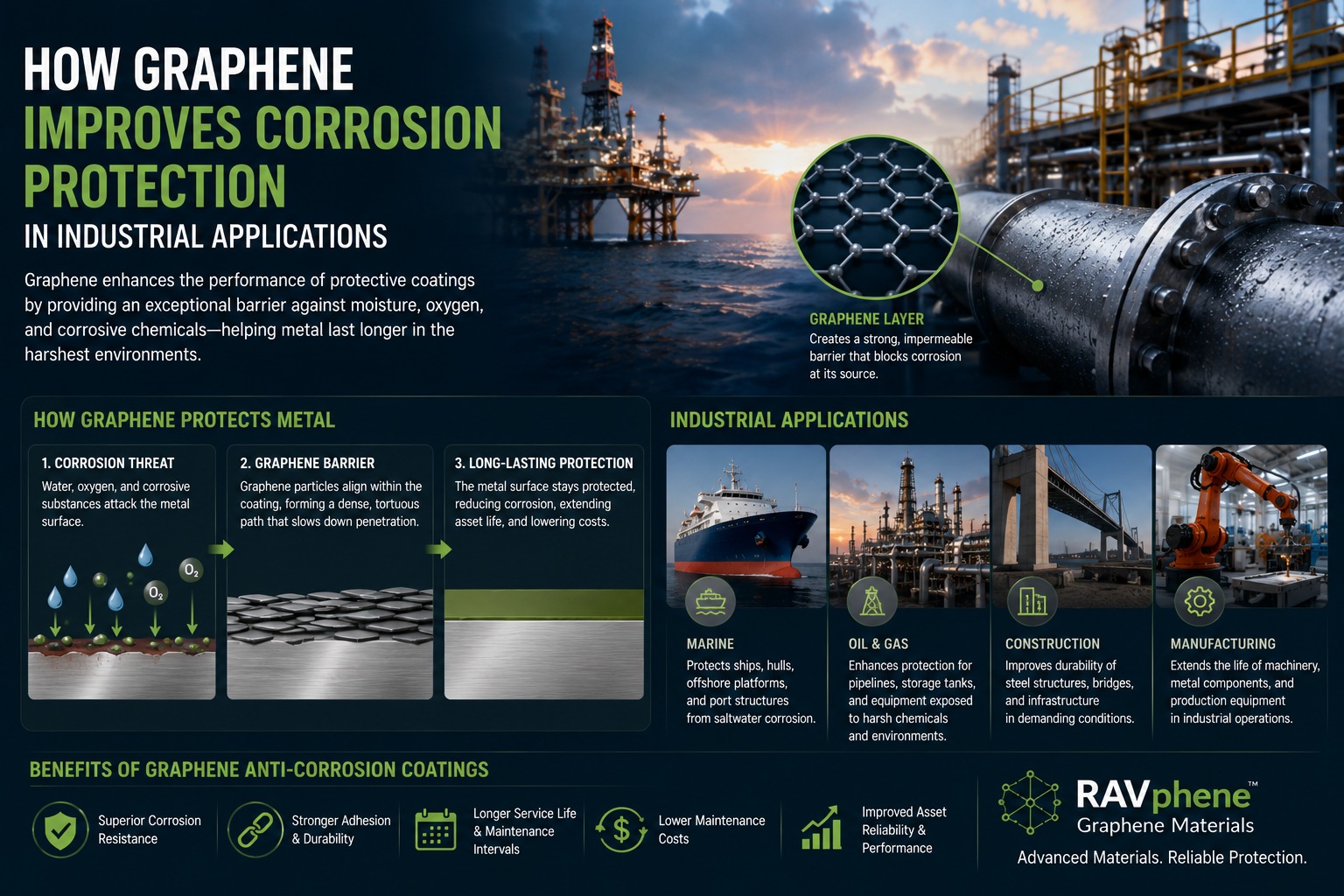
How Graphene Improves Corrosion Protection in Industrial Applications | RAVphene
Jul 21, 2026